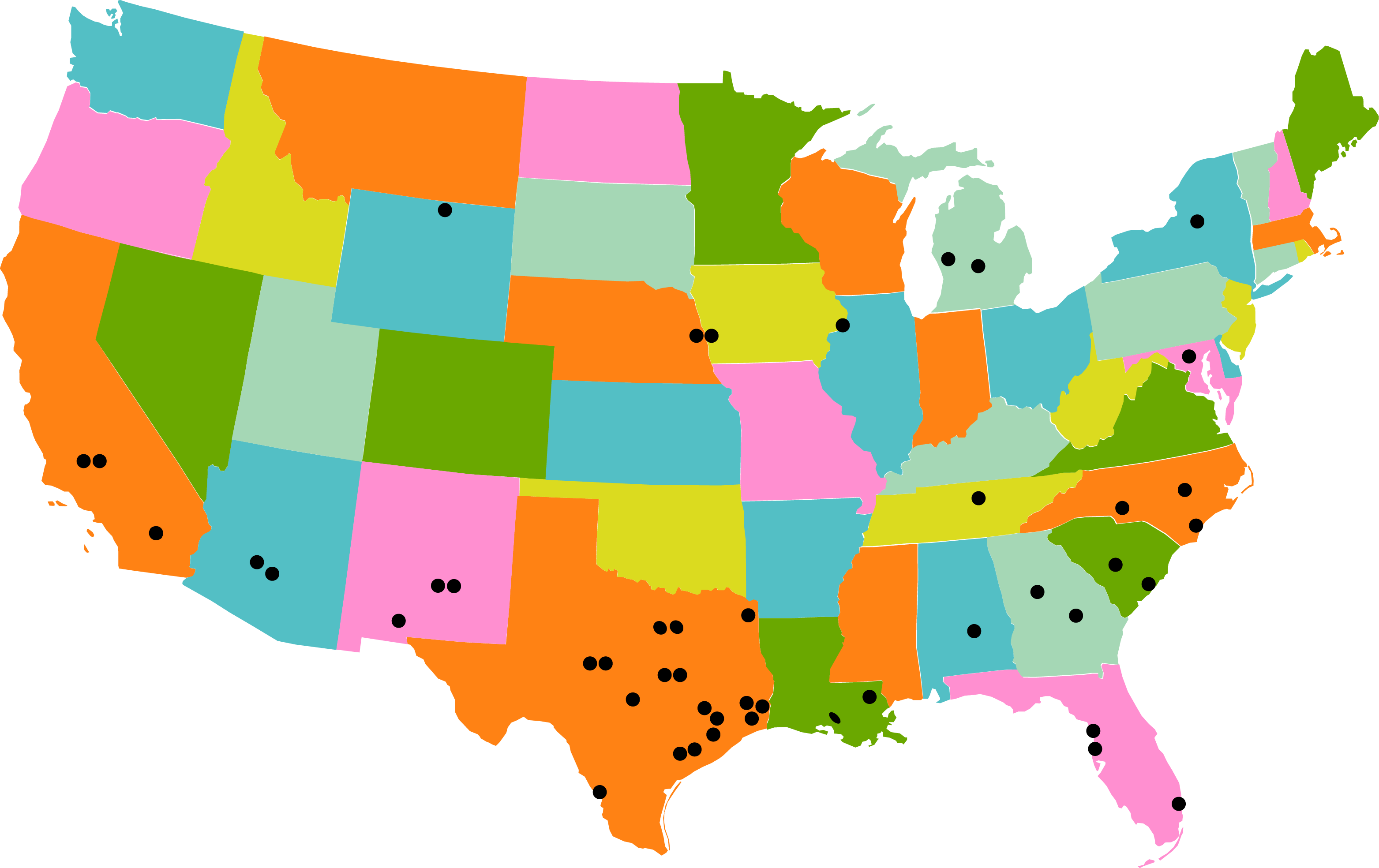
A Simple State-by-State Guide to Auto Insurance Coverage
Car insurance in 2026 is more than meeting your state’s minimum requirements. Medical costs are going up. Car repairs are more expensive than ever. Lawsuits after accidents are also increasing. Because of this, having the right auto insurance coverage limits is essential.
If you’ve searched:
- How much car insurance do I need in 2026?
- What are minimum car insurance requirements by state?
- Is state minimum coverage enough?
- What’s the difference between liability and full coverage?
Here’s a clear, easy breakdown.
Minimum Car Insurance Requirements by State (2026)
All states, except New Hampshire, require drivers to have minimum liability insurance. These limits vary by state but often look like:
25/50/25
That means:
- $25,000 bodily injury per person
- $50,000 bodily injury per accident
- $25,000 property damage
Some states need higher limits. Others need extra coverage like:
- Personal Injury Protection (PIP)
- Uninsured/Underinsured Motorist coverage
Important: State Minimum = Legal, Not Safe
Minimum car insurance only satisfies legal requirements. It does not guarantee full financial protection after a serious accident.
Medical bills from one injury can easily exceed $50,000 in 2026.
Liability vs. Full Coverage: What’s the Difference?
Liability Insurance
Covers damage you cause to others:
- Bodily injury
- Property damage
It does not cover:
- Your vehicle repairs
- Theft
- Vandalism
- Hail or flood damage
Liability-only insurance is usually the cheapest option, but offers limited protection.
Full Coverage Car Insurance
“Full coverage” typically includes:
- Liability insurance
- Collision coverage (covers your car after an accident)
- Comprehensive coverage (theft, weather, vandalism)
- Often uninsured motorist coverage
If you finance or lease your car, full coverage auto insurance is usually required.
Is State Minimum Coverage Enough?
For most drivers in 2026 — no.
Example:
You cause an accident with:
$120,000 in medical bills
$40,000 in property damage
If you carry 25/50/25 limits:
Insurance pays up to $50,000 for injuries
You could owe tens of thousands out of pocket
That’s why many insurance professionals recommend:
- $100,000 bodily injury per person
- $300,000 per accident
- $100,000 property damage
Higher liability limits often cost less than you expect.
How to Choose the Right Auto Insurance Limits
Choosing the right car insurance coverage depends on:
- Your Assets: If you own a home, savings, or investments, you need higher liability protection.
- Your Vehicle Value: Newer or financed car? Full coverage is strongly recommended.
- Your Risk Level: Long commute, teen drivers, high-traffic areas, states with many uninsured drivers.
- Your Emergency Savings: Higher deductibles lower your premium, but increase out-of-pocket costs after a claim.
2026 Auto Insurance Trends
Insurance coverage matters more than ever because of:
- Rising vehicle repair costs
- Advanced car technology
- Increased medical expenses
- Severe weather events
- More uninsured drivers
Cutting coverage to save money can cost much more later.
If you haven’t reviewed your car insurance in the last 12 months, now is the time.
Quick Checklist: Do You Have Enough Car Insurance?
Before renewing your policy, ask:
- Do I know my liability limits?
- Am I carrying only state minimum coverage?
- Do I have collision and comprehensive coverage?
- Do I have uninsured motorist protection?
- Has my income increased since I bought this policy?
- Have I compared car insurance quotes recently?
If you’re unsure about any of these, your coverage may need an update.
The Bottom Line
The goal in 2026 isn’t just finding the cheapest car insurance.
It’s finding:
- Affordable auto insurance
- Adequate liability limits
- Full coverage protection
- A policy that protects your assets and income
Car insurance is financial protection – not only a legal requirement.
🚗 Don’t wait until after an accident
Call NavSav today for a personalized 2026 car insurance review – and make sure you’re truly protected.