
Your home is likely your largest investment — protecting it takes more than a policy. Here’s what house insurance agents actually do, why independent and local matters, and how to pick the right one.
By NavSav Insurance · Updated August 2026 · 9 min read
The quick answer
A house insurance agent helps you choose, buy, and manage homeowners coverage. An independent agent represents several carriers and shops among them, while a captive agent sells one company’s products. A local, independent agent adds neighborhood knowledge and hands-on claims help — which is why many homeowners prefer that combination. NavSav agents are independent and local.
Your home is likely the single largest investment you will ever make, and protecting it well takes more than a policy number. It takes a partner who understands your neighborhood, your risks, and how coverage actually behaves at claim time. That is where a good house insurance agent earns their keep. Below, we cover what agents do, how independent and captive agents differ, what to look for, and the questions that separate an average agent from a great one.
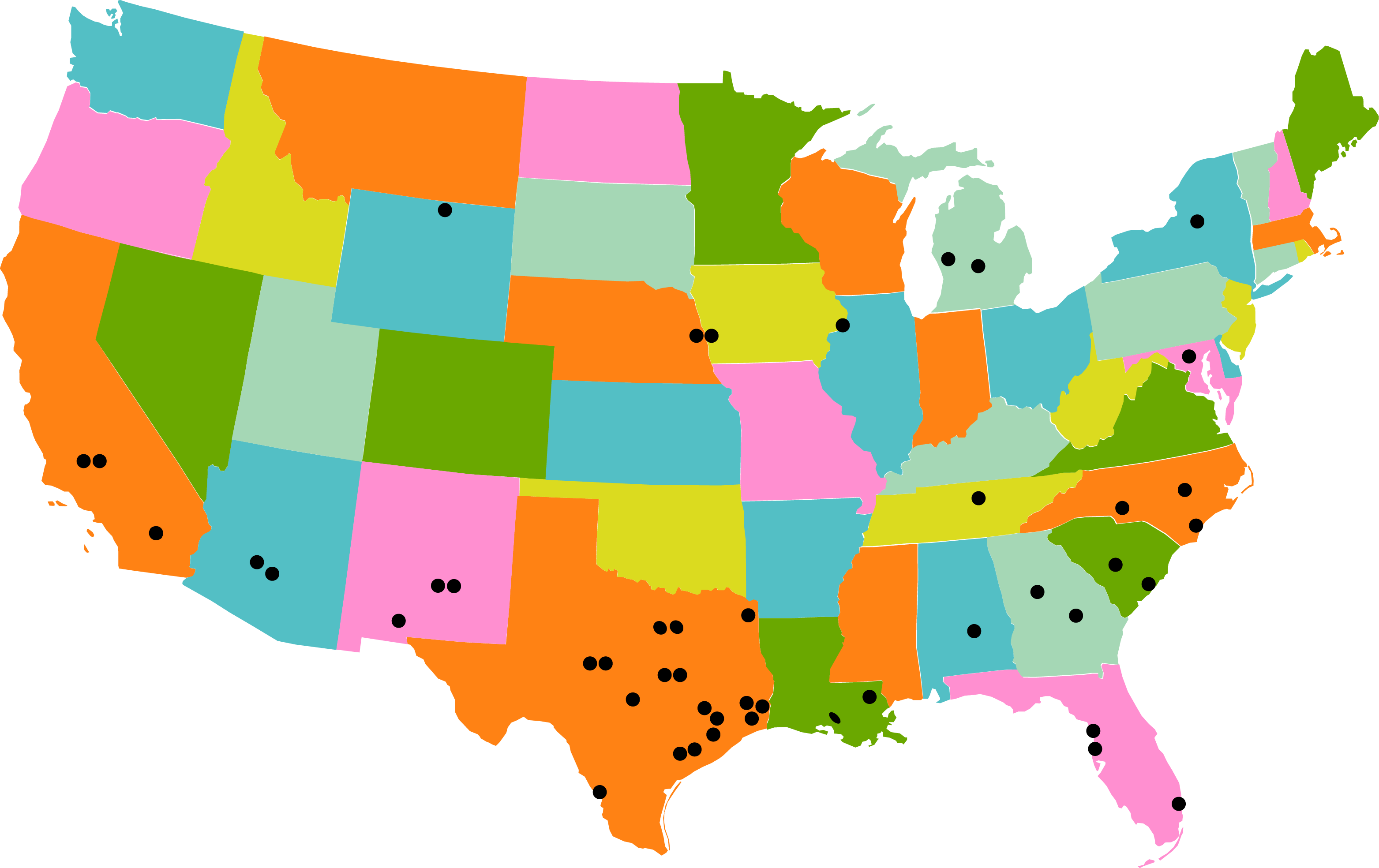
NavSav is an independent agency with offices across the country, which means our agents shop multiple carriers rather than pushing one company’s products. If you want to skip ahead, you can find a local office or explore homeowners coverage directly.
Why do local house insurance agents matter?
When you buy insurance through a national call center or a website, you are often just a policy number. A local agent lives in your community and brings knowledge an algorithm cannot: which neighborhoods flood, which streets see more claims, and which contractors do reliable work. That firsthand context translates into better advice and stronger protection.
| What a local agent brings | Why it matters |
|---|---|
| Personalized risk assessment | They weigh local weather, building codes, and common claims — not just a formula |
| Direct access when it counts | At claim time you reach someone who knows your name and your policy |
| Contractor connections | After a loss, they can point you to trusted local help |
| Ongoing relationship | The same person reviews your coverage year after year |
There is also a quieter benefit that only shows up at claim time. When a pipe bursts or a storm tears off shingles, the difference between a smooth claim and a frustrating one is often whether someone in your corner knows the policy, the carrier, and the local repair market. A call-center rep reading from a script three states away cannot advocate for you the way a local agent who has handled dozens of similar claims in your area can. That advocacy is the part of the value that is hard to see when you are only comparing prices online.
What should I look for in a house insurance agent?
Not all agents are equal. These qualities tend to separate the exceptional from the average:
- Independence. Independent agents represent multiple carriers and can shop for fit and price; captive agents sell one company’s products.
- Local presence. An office in your area means they understand your specific risks and are available in person.
- Strong carrier relationships. Look for access to financially sound, well-rated insurers.
- Clear communication. A good agent explains coverage without jargon so you understand what you’re buying.
- Proactive reviews. The best agents revisit your policy annually as your home and circumstances change.
The independent advantage: why it changes the math
The core difference between independent and captive agents is choice. A captive agent can only offer one insurer’s products, so if that company is not competitive for your home, you may never know. An independent agent works for you and can:
- Compare rates from several top-rated carriers to find good value.
- Match coverage to your home’s features — older homes, high-value properties, coastal locations.
- Bundle your home with auto, life, or umbrella coverage for potential savings.
- Provide consistent, personal service long after the policy is signed.
Because an independent agent isn’t tied to one carrier, they can move you when a better fit appears — at renewal, after a rate change, or when your home’s value shifts. That flexibility is hard to get from a single-company agent. See all of our personal lines to understand what can be bundled.
Questions to ask before you choose an agent
Before you commit, schedule a short consultation — most agencies offer free reviews — and ask:
| Ask this | What a strong answer sounds like |
|---|---|
| How many carriers do you represent? | Several top-rated insurers, not just one |
| Do you offer annual policy reviews? | Yes, proactively — not only when something breaks |
| How do you handle claims? | They help you file and advocate, not just hand you a phone number |
| What discounts might I qualify for? | A specific list: multi-policy, protective devices, new-home, and more |
| What’s your experience with homes like mine? | Familiarity with your home type — historic, coastal, or new build |
Want an agent who actually shops the market for you?
A local, independent NavSav agent can compare carriers, tailor your homeowners coverage, and stay in your corner at claim time — usually starting with one short conversation.
What coverage should a good agent make sure you have?
Part of an agent’s job is making sure the pieces of a homeowners policy actually fit your home — not just that a policy exists. A strong agent walks you through each of these and explains where the gaps tend to hide:
Dwelling and rebuild cost
This is the coverage that rebuilds your home after a covered loss. The number that matters is the cost to rebuild at today’s labor and material prices — not the market value or what you paid. Rebuild costs have risen sharply in recent years, and a policy written years ago can quietly fall behind. A good agent checks this at every review so you are not left short after a total loss.
Personal property
This covers your belongings — furniture, electronics, clothing, and more. Two important questions your agent should raise: whether it pays replacement cost (what a new item costs) or actual cash value (depreciated value), and whether high-value items like jewelry, art, or collectibles need a separate schedule or endorsement to be fully protected. The default limits often surprise people.
Liability and loss of use
Liability protects you if someone is injured on your property or you cause damage to others, and it is one of the most under-considered parts of a policy. Loss-of-use coverage pays additional living expenses if you cannot live in your home during covered repairs. For households with more exposure, an agent may suggest an umbrella policy that sits on top of your home and auto liability limits.
The exclusions that surprise people
Standard homeowners policies typically exclude flooding and often limit or exclude certain other perils. A good agent tells you plainly what is not covered and helps you decide whether to add protection — before a storm, not after. Knowing the exclusions is often more valuable than knowing the coverages.
When a local agent makes the difference
These representative, claims-desk-style scenarios show how hands-on guidance changes outcomes. Details are illustrative, but the patterns are common:
Coordinating two policies after a storm. After a hurricane, an agent helped a coastal family navigate separate wind and flood coverage, documented the damage in person, and coordinated with more than one insurer — a process that is difficult to manage alone.
Catching a rebuild-cost gap. During an annual review, an agent noticed a home’s value had risen well beyond its dwelling coverage and recommended an increase. When a later loss occurred, that proactive change made the difference between a covered rebuild and a large shortfall.
Adding liability protection in time. An agent suggested an umbrella policy after a client’s circumstances changed. When an incident later exceeded the standard homeowners liability limit, the umbrella coverage helped protect the client’s assets.
The thread running through all three is the same: none of these outcomes came from the cheapest policy or the fastest online quote. They came from someone paying attention — asking the next question, reviewing coverage before a loss, and being reachable when it counted. That is the practical case for a local, independent agent, and it is why the price on the declarations page is only part of what you are actually buying.
Is your house insurance agent the right fit?
Tick each statement that’s true about your current agent. The more boxes you check, the better positioned you are. This is a general self-check, not a rating of any specific agency.
Frequently asked questions about house insurance agents
Is it better to use a local agent or buy homeowners insurance online?
Online quotes are fast, but they can miss details that matter. A local agent asks questions to uncover hidden risks, finds discounts you qualify for, and acts as your advocate at claim time. For many homeowners, that guidance is worth more than a few minutes saved.
How do I know if my agent is truly independent?
Ask directly how many carriers they represent. An independent agent can quote multiple insurers; a captive agent sells one company’s products. You can also check their website or ask for proof of carrier appointments.
Will a local agent cost me more?
Not necessarily. Independent agents often find competitive rates by comparing carriers, and any commission is typically built into the premium either way, so you don’t usually pay extra for the expertise. Actual pricing varies by carrier and situation.
How often should I review my homeowners policy with my agent?
At least once a year, and any time you make major improvements, buy valuable items, or have a life change. Home values and rebuild costs shift, and an annual review helps keep your coverage in step.
What’s the difference between an independent and a captive agent?
An independent agent represents several carriers and shops among them; a captive agent represents one insurer. Independent agents can compare more options, which is why many homeowners prefer them — talk to an independent NavSav agent to see the difference.
The bottom line
- A house insurance agent helps you choose, buy, and manage homeowners coverage.
- Independent agents shop multiple carriers; captive agents sell one insurer’s products.
- A local agent adds neighborhood knowledge and hands-on claims advocacy.
- Ask how many carriers they represent, whether they review annually, and how they handle claims.
- Review your policy at least once a year — rebuild costs and home values move.
Get matched with a local, independent agent
Tell us a little about your home, and a local NavSav agent will reach out to review your homeowners coverage and compare carriers — at no obligation.
NavSav Insurance – coverage, close to home.
An independent agency comparing top carriers so you don’t have to. From home and auto to commercial, life, and power sports – we help you get the right protection before you need it.
Disclaimer: NavSav Insurance is a licensed independent insurance agency. This article is for general educational purposes only and is not insurance, legal, or financial advice. Coverage availability, terms, limits, and exclusions vary by policy, carrier, and state, and not all products are available in all areas. Please speak with a licensed NavSav agent to review your specific coverage needs.