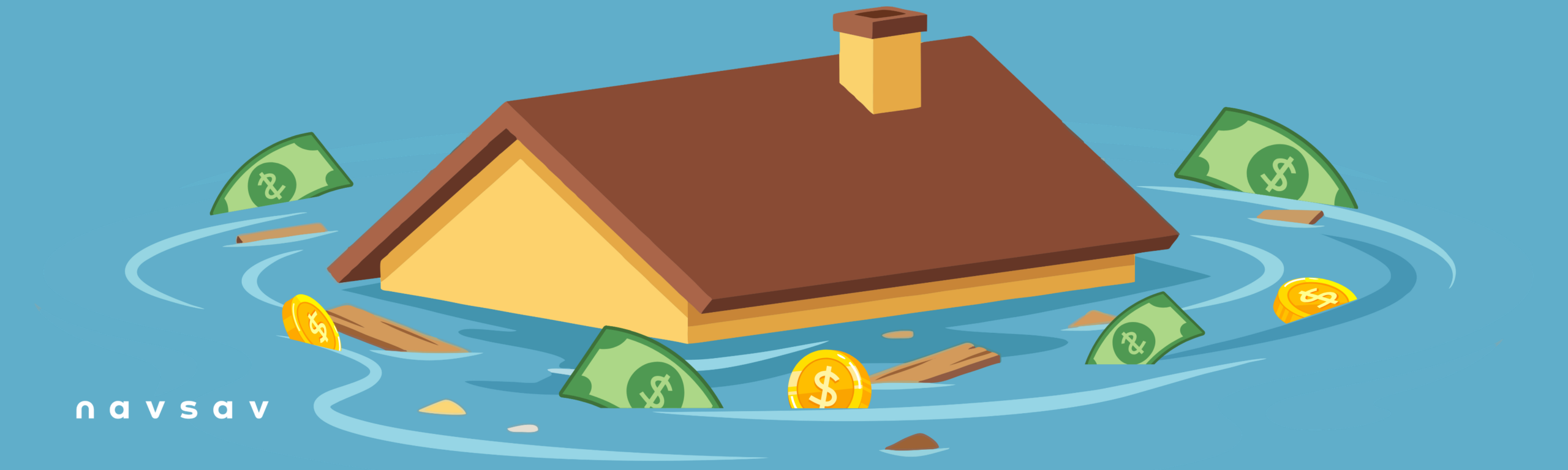
One word decides whether you should get ready or take cover right now. Here’s how to tell them apart in seconds – and how to protect your home and car before the next storm.
By NavSav Insurance · Updated August 2026 · 9 min read
The quick answer
A severe weather watch means conditions are favorable for dangerous weather to develop – it hasn’t happened yet, so stay alert and be ready to act. A severe weather warning means dangerous weather is happening now or is imminent in your area – take protective action or shelter immediately.
Every storm season, the same two words scroll across the bottom of the screen and light up our phones: watch and warning. They sound almost interchangeable, and that’s exactly the problem – the difference between them can be the difference between a calm evening and a scramble to the basement. Knowing which is which, before the sky turns, means you react faster, keep your family safer, and skip the panic of guessing what a “severe thunderstorm watch” actually asks of you.
Below we break down what each alert means, who issues them, how long they last, and exactly what to do. Then the part most articles skip: how severe weather touches your homeowners and auto insurance – and how to make sure you’re covered before the storm, not after.
WATCH
Conditions are right for severe weather. It hasn’t started. Think “ingredients in the bowl.” Stay alert and prepare.
WARNING
Severe weather is happening now or imminent. Think “it’s on the stove.” Take action or shelter immediately.
What is a severe weather watch?
A severe weather watch is issued when the atmosphere has come together in a way that could produce dangerous weather – severe thunderstorms, tornadoes, flash flooding, or winter storms – but nothing has formed yet. The National Weather Service (and, for tornadoes and severe storms, the Storm Prediction Center) issues watches hours in advance across large areas, often several counties or a whole region.
If you’ve ever seen the classic question – “A severe weather watch means which of the following is true?” – the answer is simple: conditions are right for severe weather, but it is not occurring yet. A watch is not a false alarm, and it is not a warning. It is a heads-up designed to give you time.
Plain-English translation: “Dangerous weather is possible in your area over the next several hours. Keep your phone on, know where you’d shelter, and be ready to move fast if a warning follows.”
What is a severe weather warning?
A severe weather warning is a different level of urgency. It means the dangerous weather has been detected on radar or spotted on the ground, or is imminent. Warnings cover a much smaller, specific area – often a single county or a precise storm-path polygon – and last a much shorter time, because they describe a threat that is here now.
When a warning hits, the window for preparation has closed and the window for action is open. A tornado warning means shelter now. A flash flood warning means move to higher ground and never drive into water. A severe thunderstorm warning means get indoors, away from windows, and off the water.
Plain-English translation: “The dangerous weather is here or seconds away, and it’s headed toward you. Stop what you’re doing and take protective action immediately.”
Watch vs. warning at a glance
The whole thing on one screen. Screenshot it, pin it to the fridge, or drop it in the family group chat before the next storm season.
| Severe Weather Watch | Severe Weather Warning | |
|---|---|---|
| What it means | Conditions favorable; nothing formed yet | Dangerous weather happening now or imminent |
| Your job | Be prepared & stay alert | Take action / shelter immediately |
| Timing | Hours ahead (often 4-8 hrs) | Right now (minutes up to ~1 hr) |
| Area | Large – many counties / a region | Small – a county or storm-path polygon |
| Urgency | Elevated | Highest |
| Kitchen analogy | Ingredients are in the bowl | It’s on the stove |
The main types of severe weather alerts
“Watch” and “warning” attach to specific hazards. The pairing works the same way every time – the watch says possible, the warning says happening – but the action depends on the threat.
| Hazard | Watch means | Warning means |
|---|---|---|
| Tornado | Tornadoes possible; review your shelter plan | Tornado occurring or imminent – shelter now |
| Severe thunderstorm | Damaging wind / large hail possible | Damaging storm detected – get indoors |
| Flash flood | Heavy rain could cause rapid flooding | Flooding happening – move to higher ground |
| Hurricane / tropical storm | Conditions possible within ~48 hrs | Conditions expected within ~36 hrs – finish prep |
| Winter storm | Heavy snow / ice possible | Dangerous winter weather occurring or imminent |
You may also hear an advisory (less serious but still hazardous conditions, like patchy freezing drizzle) and, rarely, an emergency (such as a “tornado emergency” or “flash flood emergency”), which signals a severe threat to life. When you hear “emergency,” treat it as the most urgent call to act you can get.
What to do during a severe weather watch
A watch is a gift of time – use it. The goal is to be so ready that if a warning follows, you act on instinct instead of scrambling.
- Turn on alerts. Make sure Wireless Emergency Alerts are on and keep a NOAA weather radio or trusted app handy.
- Know your shelter. Identify the safest interior room on the lowest floor, away from windows.
- Charge and gather. Charge phones; gather flashlights, water, medications, and a first-aid kit.
- Secure the outside. Bring in patio furniture, trash cans, and anything that could become a projectile.
- Park smart. Move vehicles into a garage or away from trees – hail and falling limbs drive a lot of auto claims.
- Photograph your home. A quick video walk-through of each room documents your belongings in case you ever file a claim.
What to do during a severe weather warning
Now it’s about people first, property second. Act immediately and match the action to the threat.
- Tornado warning: Go to your lowest interior room, cover your head and neck, and stay put until the all-clear.
- Flash flood warning: Move to higher ground. Never walk or drive through floodwater – a foot of water can sweep a car away.
- Severe thunderstorm warning: Get indoors, stay off corded electronics, and keep away from windows.
- Hurricane warning: Finish preparations, follow evacuation orders without delay, and don’t wait to “see how bad it gets.”
Storms don’t schedule appointments. Your coverage shouldn’t wait either.
The best time to review your policy is on a clear day. A local NavSav agent can spot gaps – wind, hail, flood, and more – before the next watch ever hits your county.
How severe weather affects your insurance
Knowing the difference between a watch and a warning keeps your family safe. Knowing your coverage keeps your finances safe. Here’s how the storms above line up with the policies that protect you – and where the gaps hide.
Your home
Standard homeowners insurance often covers sudden, accidental wind and hail damage – a limb through the roof, shingles torn off in a thunderstorm. But there’s a critical exclusion nearly everyone misses: flooding is not covered by a standard homeowners policy. Rising water from heavy rain, storm surge, or an overflowing creek needs a separate flood policy. If you’ve ever wondered whether homeowners covers floods, the short answer is usually no – which is exactly why so many post-storm claims are denied.
Your vehicles
Damage to your car from hail, falling trees, or flooding is generally handled by the comprehensive part of your auto policy – not liability or collision. If you carry liability only, storm damage to your own vehicle may not be covered. Worth a quick check before hail season.
Your business and toys
Storms don’t stop at the house. Boats, RVs, and motorcycles fall under power sports coverage, while shops, fleets, and rental properties need commercial lines. Whatever you’re protecting, the principle is the same: review it before the watch, not after the warning.
Do a two-minute video walk-through of each room and your vehicles today. If you ever file a claim, that footage is the difference between “I think we had a TV there” and a documented, faster settlement. Store it in the cloud so it survives the storm too.
Test yourself & build your storm-prep plan
Reading is one thing; reacting under pressure is another. Take the 4-question drill, then build a checklist you can save or print. Keep it somewhere everyone can find it.
Frequently asked questions
What does a severe weather watch mean?
It means conditions are favorable for severe weather to develop, but it isn’t occurring yet. Stay alert, watch for updates, and be ready to act if a warning follows.
Is a watch or a warning worse?
A warning is more urgent. A watch says dangerous weather is possible; a warning says it’s happening or imminent and you should take protective action immediately.
How long does a severe weather watch last?
Watches usually last several hours – often four to eight – over a large area. Warnings are short, from a few minutes up to about an hour, over a small area.
What should I do if a tornado warning is issued?
Take shelter immediately in the lowest, most interior room away from windows, cover your head and neck, and stay there until the all-clear.
Does homeowners insurance cover storm damage?
It often covers sudden wind and hail damage, but flooding is excluded and needs a separate flood policy. Coverage varies by policy, carrier, and state – review yours with a licensed NavSav agent so there are no surprises after the storm.
The bottom line
- Watch = be prepared. Conditions are right over a large area, hours ahead.
- Warning = act now. Dangerous weather is happening or imminent in your specific area.
- Same hazard, two stages: the watch buys you time; the warning spends it.
- Standard homeowners covers wind and hail – flooding needs a separate policy, and comprehensive auto covers storm damage to your car.
- Review your coverage on a clear day, not after the sirens.
Ready before the next storm? Let’s talk.
Tell us a little about what you’d like to protect and a local NavSav agent will reach out – no pressure, just a straight answer on where your coverage stands.
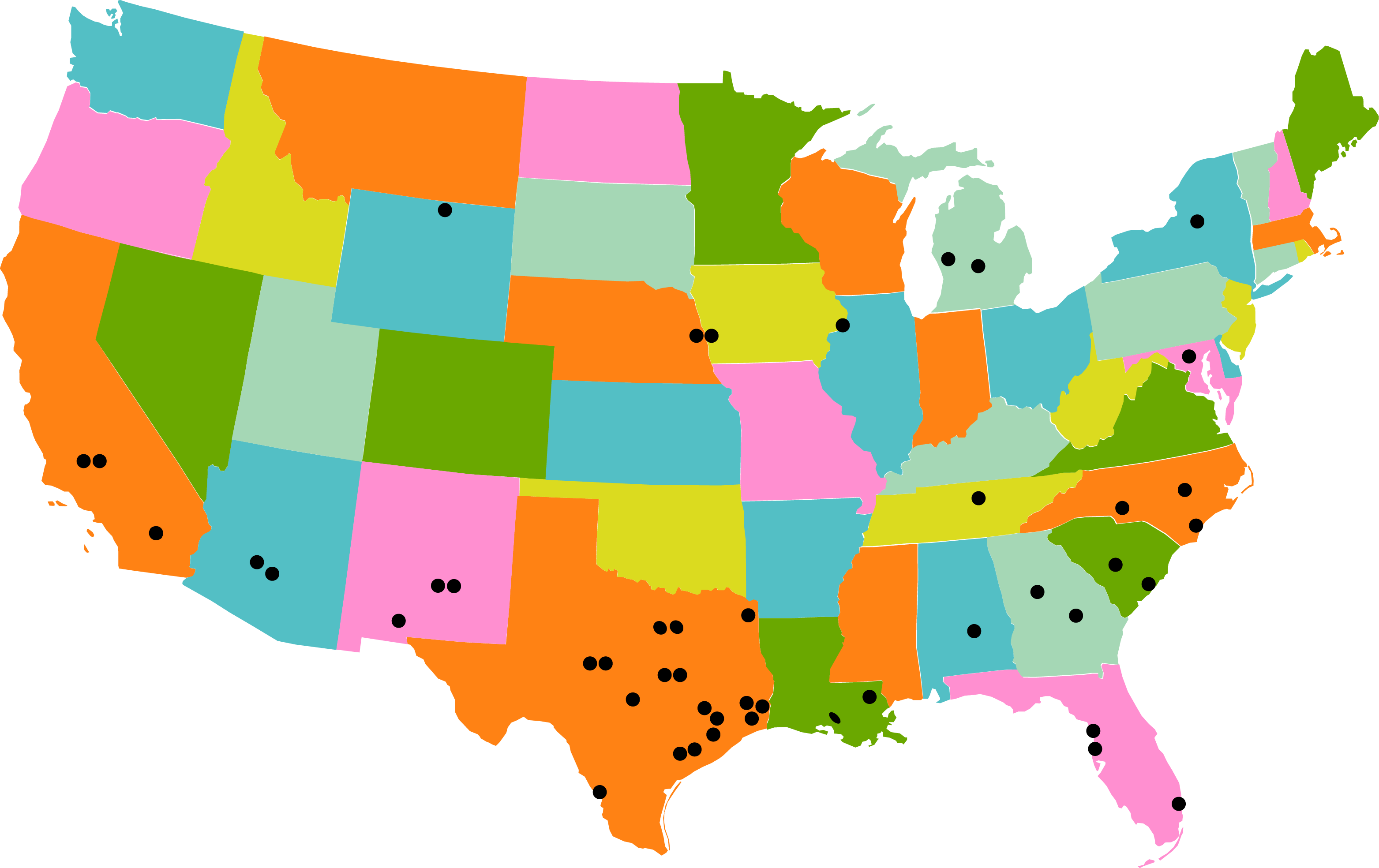
NavSav Insurance – coverage, close to home.
An independent agency comparing top carriers so you don’t have to. From home and auto to commercial, life, and power sports – we help you get the right protection before you need it.
Disclaimer: NavSav Insurance is a licensed independent insurance agency. This article is for general educational purposes only and is not insurance, legal, or financial advice. Weather-alert definitions follow National Weather Service standards and may change. Coverage availability, terms, limits, and exclusions vary by policy, carrier, and state, and not all products are available in all areas. Please speak with a licensed NavSav agent to review your specific coverage needs.