Why Is Car Insurance So Expensive in 2026? (And How to Lower It)
Understand the reasons behind rising premiums and discover practical strategies to save.
Car insurance rates have been rising steadily in recent years. In 2026, many drivers are feeling the squeeze more than ever. If you’ve recently received your renewal notice and were surprised by a higher premium, you’re not alone. Auto insurance costs are going up in the U.S. This rise comes from a blend of economic, technological, and environmental reasons. In this guide, we’ll explain why car insurance costs so much in 2026, what’s causing these price hikes, and share tips to lower your car insurance premium while keeping your coverage strong.
Average car insurance rates have increased 15‑20% since 2024.
Why Is Car Insurance So Expensive in 2026?
Inflation & Repair Costs
Vehicle repairs are more expensive due to advanced sensors, cameras, and supply chain issues. Even minor fender benders now cost thousands.
More Accidents & Claims
Post‑pandemic driving patterns have led to more severe accidents and distracted driving, driving up claim frequency and severity.
Extreme Weather Events
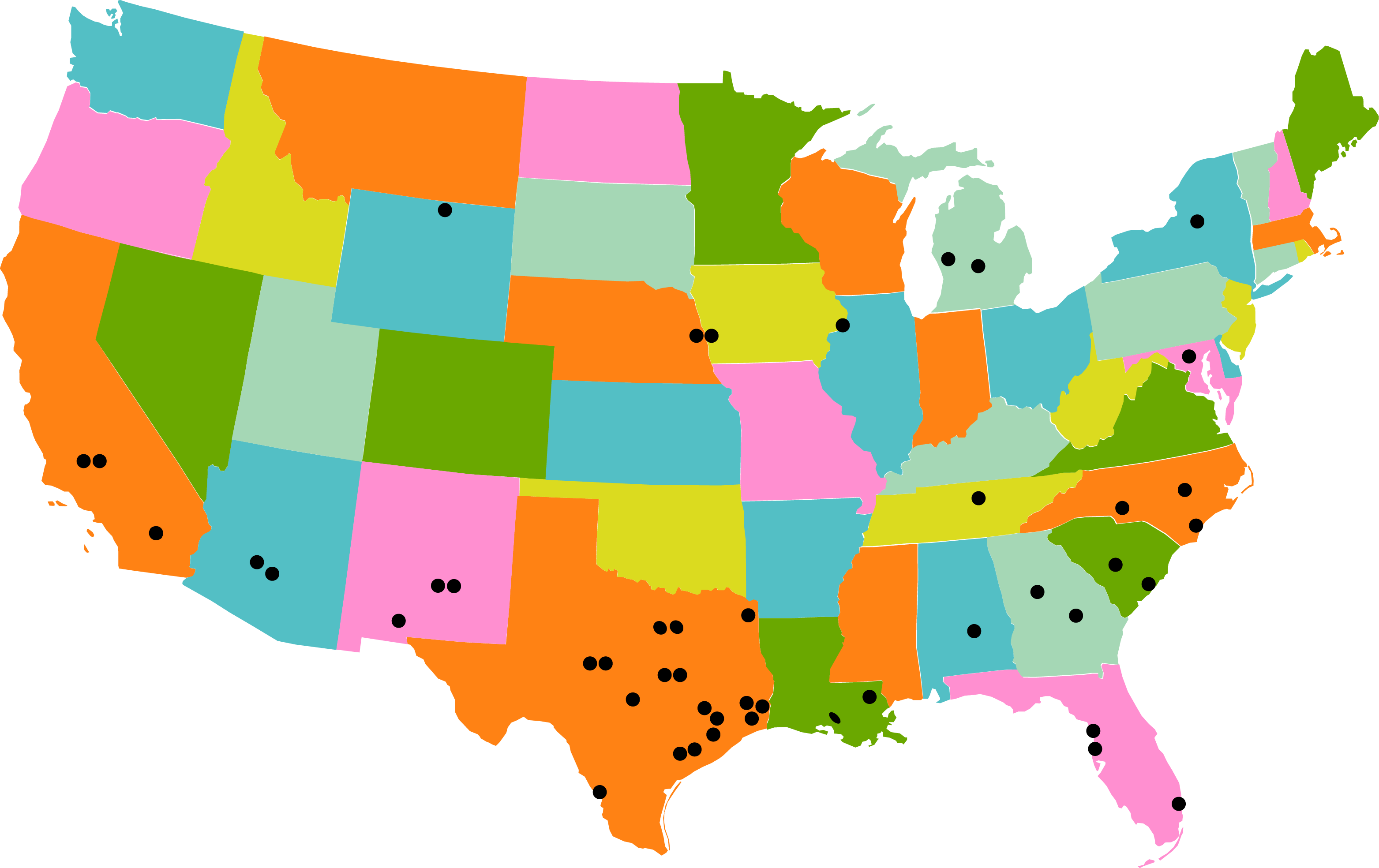
Hurricanes, wildfires, floods, and hailstorms are increasing comprehensive claims, especially in high‑risk states like Florida, Texas, and California.
1. Inflation and Rising Repair Costs
Inflation continues to impact nearly every industry, and auto insurance is no exception. The cost of vehicle repairs has increased significantly due to more expensive auto parts, supply chain disruptions, and higher labor costs for mechanics. Modern vehicles come with advanced tech, including sensors, cameras, and driver‑assist systems. These features boost safety, but they also increase repair costs. For example, replacing a windshield with a built‑in camera calibration can cost $1,200 versus $300 for a standard windshield. This raises insurance claims and, in the end, your premium.
2. Increase in Accidents and Claims
Post‑pandemic driving patterns have changed. With more people back on the road, insurers are seeing a rise in traffic accidents, severe collisions, and distracted driving incidents. According to the National Highway Traffic Safety Administration, traffic fatalities increased by over 10% in recent years, and claim severity (average cost per claim) has risen even faster. More claims lead to higher costs for insurance companies, which get passed on to consumers as higher car insurance rates.
3. Extreme Weather Events
Climate change is playing a growing role in the insurance industry. In 2026, natural disasters like floods, hurricanes, and wildfires are happening more often, causing a rise in comprehensive insurance claims. The National Oceanic and Atmospheric Administration reported that 2025 saw over 20 billion‑dollar weather disasters in the U.S. alone. If you live in a high‑risk area (e.g., Florida, Texas, California, the Gulf Coast), your auto insurance premium might be much higher due to the greater chance of environmental damage.
4. Higher Medical and Legal Costs
Accidents don’t just damage vehicles—they can lead to injuries and lawsuits. Rising healthcare costs and legal fees are driving up liability insurance prices, a key part of your policy. A single hospitalization following an accident can cost $50,000 or more, and legal defense costs even for a frivolous lawsuit can exceed $20,000. Insurers pass these increases along to policyholders.
5. Vehicle Theft and Insurance Fraud
Car theft rates have increased in many regions, especially for certain vehicle models (e.g., Kia, Hyundai, Dodge Chargers). On top of that, insurance fraud—such as staged accidents or inflated damage claims—continues to be a costly issue for insurers, adding an estimated $5–$10 per policy per month. Both factors raise premiums for all drivers, even those with clean records.
Real‑world impact: A typical driver paying $1,200/year in 2020 now pays $1,500–$1,800/year for the same coverage. For households with two cars, that’s an extra $600–$1,200 annually.
How to Lower Your Car Insurance in 2026
Now for the part you actually care about: how to save money on car insurance. While rates are rising, there are still smart ways to reduce your premium.
Shop Around and Compare Quotes
Not all insurance companies price risk the same way. Comparing quotes from multiple providers can help you find the best deal. Using an independent agency like NavSav Insurance lets you explore many carriers at once, helping you find affordable car insurance options that fit your needs. Don’t assume your current insurer is giving you the best rate—loyalty is often not rewarded in auto insurance.
Bundle Your Policies
Many insurance providers give you discounts when you combine multiple policies, such as auto + home insurance or auto + renters insurance. Bundling can lead to significant savings (typically 10‑25%) while simplifying your coverage.
Increase Your Deductible
Raising your deductible lowers your monthly premium. This means you pay more upfront before insurance kicks in. For example, increasing your deductible from $500 to $1,000 can save 10‑20% on your premium. Be sure you can easily cover the deductible if an accident happens.
Take Advantage of Discounts
Ask your provider about available discounts. You might qualify for safe driver discounts (clean record for 3+ years), low mileage discounts (under 10,000 miles/year), good student discounts (B average or higher), defensive driving course discounts, and vehicle safety feature discounts. Even small discounts can add up over time.
Improve Your Credit Score
In many states, insurance companies rely on credit‑based scores when calculating premiums. A higher credit score can help you secure lower car insurance rates. Pay bills on time, reduce debt, and check your credit report regularly for errors.
Drive Safely and Maintain a Clean Record
Your driving record is one of the main factors that influences your premium. Avoiding accidents, speeding tickets, and claims can significantly reduce your long‑term insurance costs. Many insurers offer accident forgiveness for first‑time at‑fault accidents, but only if you’ve been claim‑free for several years.
Additional Tips to Reduce Your Premium
- Review your coverage annually – remove unnecessary add‑ons (e.g., rental reimbursement if you have another car).
- Consider usage‑based or telematics programs – safe drivers can save 10‑30% with programs like Snapshot or Drive Safe & Save.
- Drive a vehicle with lower insurance risk – safe, reliable, less expensive to repair models (e.g., minivans, sedans) cost less to insure than sports cars or luxury SUVs.
- Pay in full – paying annually instead of monthly saves installment fees.
- Ask about group discounts – through employers, alumni associations, or professional organizations.
Small changes can really impact your auto insurance costs.
Is It Worth Switching Insurance Companies?
If your premium has increased significantly, switching providers might be a smart move. However, don’t just focus on price—make sure you’re getting adequate coverage limits, reliable customer service, and strong claims support. Some insurers offer “new customer” discounts that may expire after a year, so weigh long‑term value against short‑term savings. NavSav Insurance is an independent agency that can help you check your options and make sure you aren’t paying too much for your policy.
Why NavSav? We work with dozens of top‑rated carriers. We’ll compare quotes, identify discounts, and help you find the perfect balance of cost and coverage—without charging you a fee.
Frequently Asked Questions
Will my rates ever go down again?
Potentially, but they may not return to pre‑2020 levels. Inflation and repair costs are unlikely to reverse. However, maintaining a clean driving record, improving credit, and shopping annually can help you find lower rates relative to the market.
Why did my rate increase even though I had no accidents?
Insurers adjust rates across entire risk pools based on industry data. Even if you personally had no claims, the overall increase in claims frequency and severity in your area or demographic can trigger a rate hike.
Does raising my deductible always lower my premium?
Yes, but only if you can afford the higher out‑of‑pocket cost. Calculate your break‑even point: if saving $200/year by raising your deductible from $500 to $1,000, it takes 2.5 claim‑free years to come out ahead.
How often should I shop for car insurance?
At least once a year, and anytime you have a major life change (moving, adding a teen driver, buying a new car, or after a ticket or accident).
Get a Free Car Insurance Quote Review
Fill out the form below, and a NavSav agent will compare rates from multiple carriers to find you the best coverage at the lowest price.
Ready to Take Control of Your Car Insurance Costs?
Don’t wait for your next renewal to take action. Compare quotes, apply discounts, and adjust your coverage. Team up with a trusted provider like NavSav Insurance to find the best mix of cost and protection. Call NavSav Insurance now for a free car insurance review and start saving.
This article is for informational purposes only. Auto insurance rates, discounts, and savings vary by carrier, state, and individual circumstances. Always consult a licensed insurance professional for advice tailored to your situation.