
Workers’ Compensation Insurance for Small Businesses – State Requirements
Most states require workers’ comp once you have employees. Learn about exemptions, penalties, and how premiums are calculated.
Running a small business means handling many tasks. One key responsibility is protecting employees after workplace injuries or illnesses. Small accidents can cause big issues – high medical bills, lost wages, and legal troubles for employers. Workers’ compensation insurance is vital for small businesses in 2026. It helps protect both employees and business owners after work‑related injuries. In many states, workers’ compensation coverage is also legally required. Knowing workers’ compensation rules helps small business owners prevent penalties, lawsuits, and surprise costs.
Don’t risk fines or lawsuits – know your state’s workers’ comp requirements.
What Is Workers’ Compensation Insurance?
Workers’ compensation insurance provides benefits to employees with work‑related injuries or illnesses. This coverage may help pay for medical expenses, lost wages, rehabilitation costs, disability benefits, and ongoing treatment. Workers’ comp also protects employers from most lawsuits related to workplace injuries. Most businesses with employees should review workers’ compensation requirements carefully. Not sure if your business needs workers’ comp? Contact NavSav for a free business insurance review.
Why Workers’ Compensation Matters
Workplace injuries can happen in almost any industry – slips and falls, lifting injuries, equipment accidents, repetitive stress, or vehicle accidents during work duties. Even office jobs have risks. Without workers’ comp, business owners may have to pay employee medical bills, lost income claims, legal expenses, and state penalties. Workers’ comp helps reduce financial risk after workplace accidents.
What Does Workers’ Comp Cover?
- Medical expenses: Doctor visits, hospital bills, surgery, medication, physical therapy.
- Lost wages: Partial income replacement while an employee cannot work.
- Disability benefits: For temporary or permanent injuries.
- Rehabilitation costs: Recovery services to return to work.
Details vary by state and policy.
State‑by‑State Workers’ Compensation Requirements (2026)
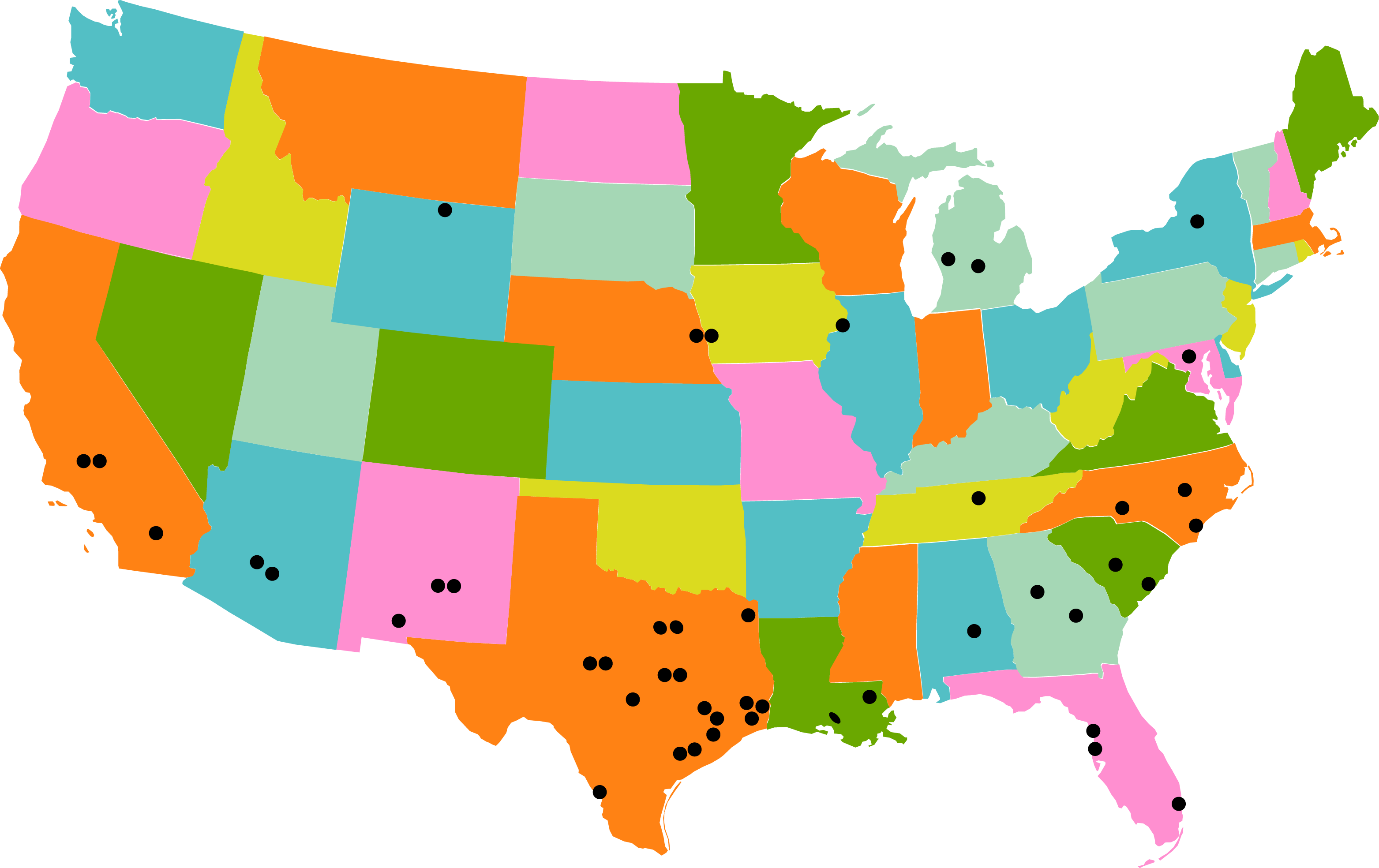
Workers’ comp laws vary significantly. Below is a summary of requirements for all 50 states. Always verify with your state’s labor department or an insurance professional.
Note: These are general guidelines. Always consult a licensed professional or your state’s workers’ compensation board for exact requirements.
Independent Contractors vs. Employees
Some business owners think they don’t need workers’ comp because they hire independent contractors. Misclassification can lead to lawsuits, penalties, back payments, and insurance claims. Proper worker classification is essential for legal and insurance purposes.
How Premiums Are Calculated
Insurance companies consider industry risk, payroll size, number of employees, claims history, business location, and type of work performed. Higher‑risk industries (construction, manufacturing) pay more than low‑risk offices. Looking for affordable workers’ comp? Call NavSav for a free quote comparison.
Why NavSav? We help small businesses navigate complex state workers’ comp requirements. We compare quotes from dozens of carriers and ensure you meet your state’s mandates – without overpaying.
Common Workers’ Comp Mistakes
- Assuming small businesses are exempt – many states still require coverage with one employee.
- Misclassifying employees as contractors – leads to penalties and back payments.
- Buying based only on price – cheap policies may not provide adequate protection.
- Failing to report claims quickly – delays can complicate the claims process.
- Forgetting to update payroll information – affects premiums and coverage accuracy.
Why Annual Reviews Matter
Business operations change over time. An annual insurance review helps update payroll information, adjust coverage limits, add protection for new employees, review claims history, and compare pricing. Think your current policy may be outdated? NavSav can help identify gaps.
Get a Workers’ Comp Quote for Your State
Fill out the form below, and a NavSav agent will help you find the right workers’ compensation insurance for your business – tailored to your state’s laws.
Don’t Wait Until an Injury Happens – Get Protected Today
Workers’ compensation insurance protects your employees and your business. Know your state’s requirements, avoid penalties, and keep your business running after an accident. Call NavSav today for a free review of your workers’ comp insurance and a personalized quote comparison.
This article is for informational purposes only. Workers’ compensation laws change frequently. Always consult a licensed insurance professional or your state’s labor department for advice tailored to your business.